
Waterproofing, Explained Properly
Practical guides for architects, contractors, and building owners managing commercial construction projects across the Southeast
Built on more than 20 years of commercial waterproofing experience and real project work using the industry's leading systems — Henry, Tremco, Dow, Sika, and Sherwin-Williams. Whether you're building in Nashville, Atlanta, Louisville, or anywhere across the Southeast, these guides help architects, general contractors, and property owners specify the right system the first time, recognize the most expensive failure modes early, and protect what they build for the life of the structure.
How Much to Budget for Building Maintenance Every Year — and What Deferring It Costs
Deferred building maintenance doesn't hold its price. It advances through four stages, and the cost multiplies roughly five times at each one — $1 of good practice becomes $125 of renovation. Here's how the Facility Condition Index turns "the building is getting old" into a number your budget committee can't wave off.
Why Below-Grade Waterproofing Matters
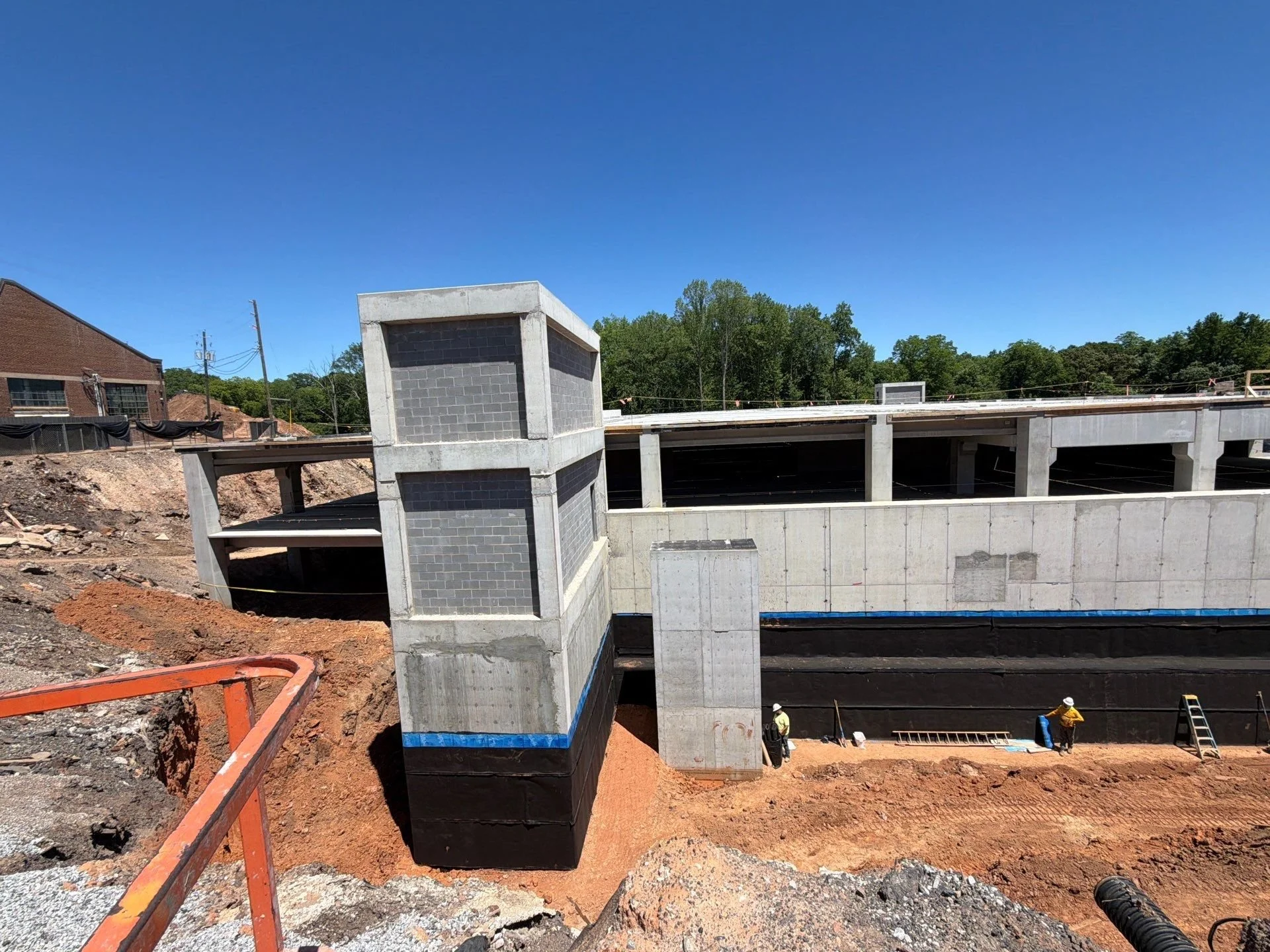
Below-grade waterproofing is the most important thing you bury — and the easiest to value-engineer into failure. Here's why it matters, what happens when it goes wrong, and how to spec it right the first time.
Weep Holes Are a Feature, Not a Flaw
Weep Holes: Small Openings, Big Job
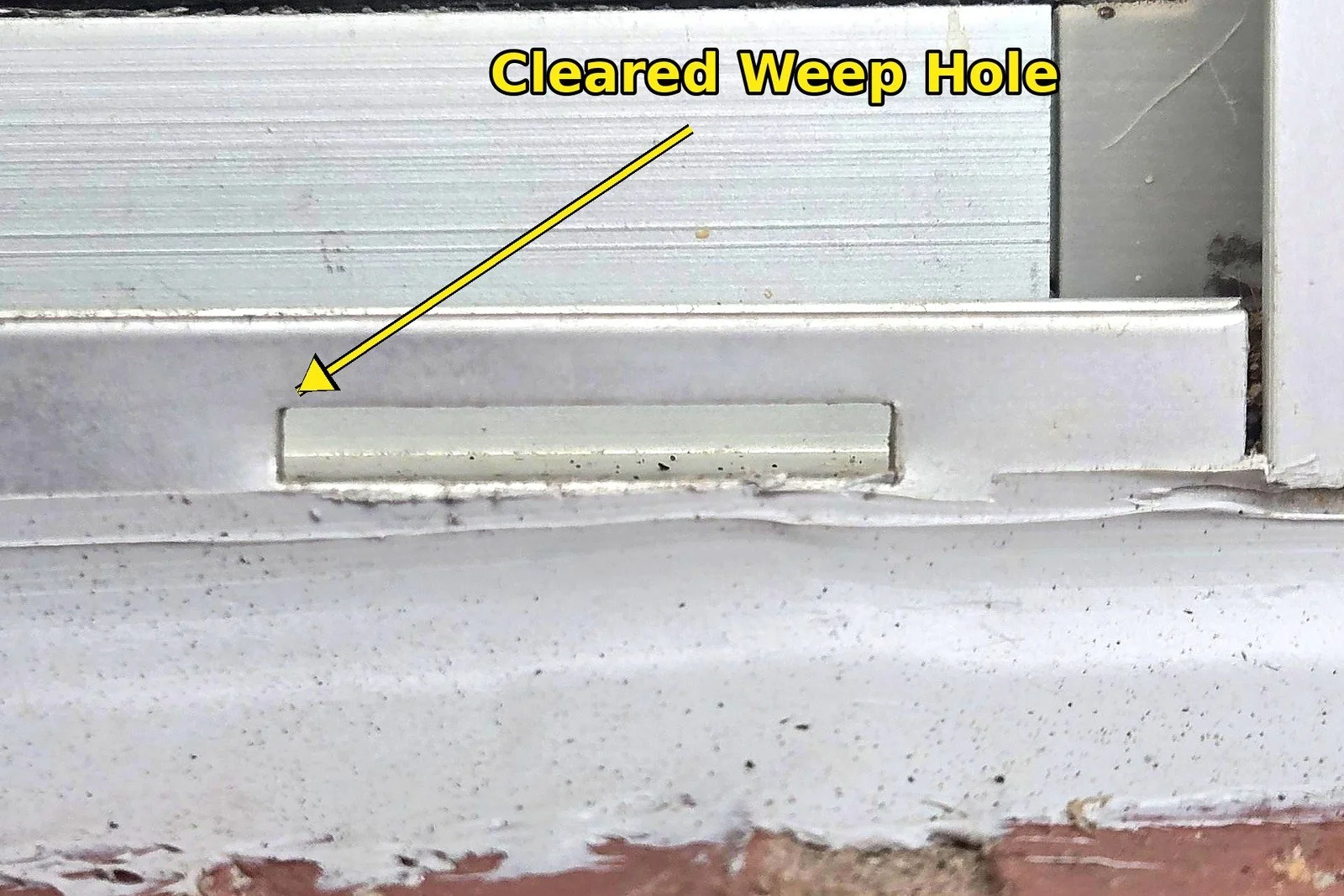
If you've ever looked closely at the bottom of a window frame here in Nashville, you may have noticed small slots or openings along the sill. Those are weep holes — and they are there by design.
Windows are not meant to be 100% watertight. Wind-driven rain (and we get plenty of it in Middle Tennessee) pushes moisture past the outer seals and into the sill track. Weep holes give that water a clear path back out to the exterior, before it has a chance to sit, soak into the frame, or migrate into the wall cavity behind your window.
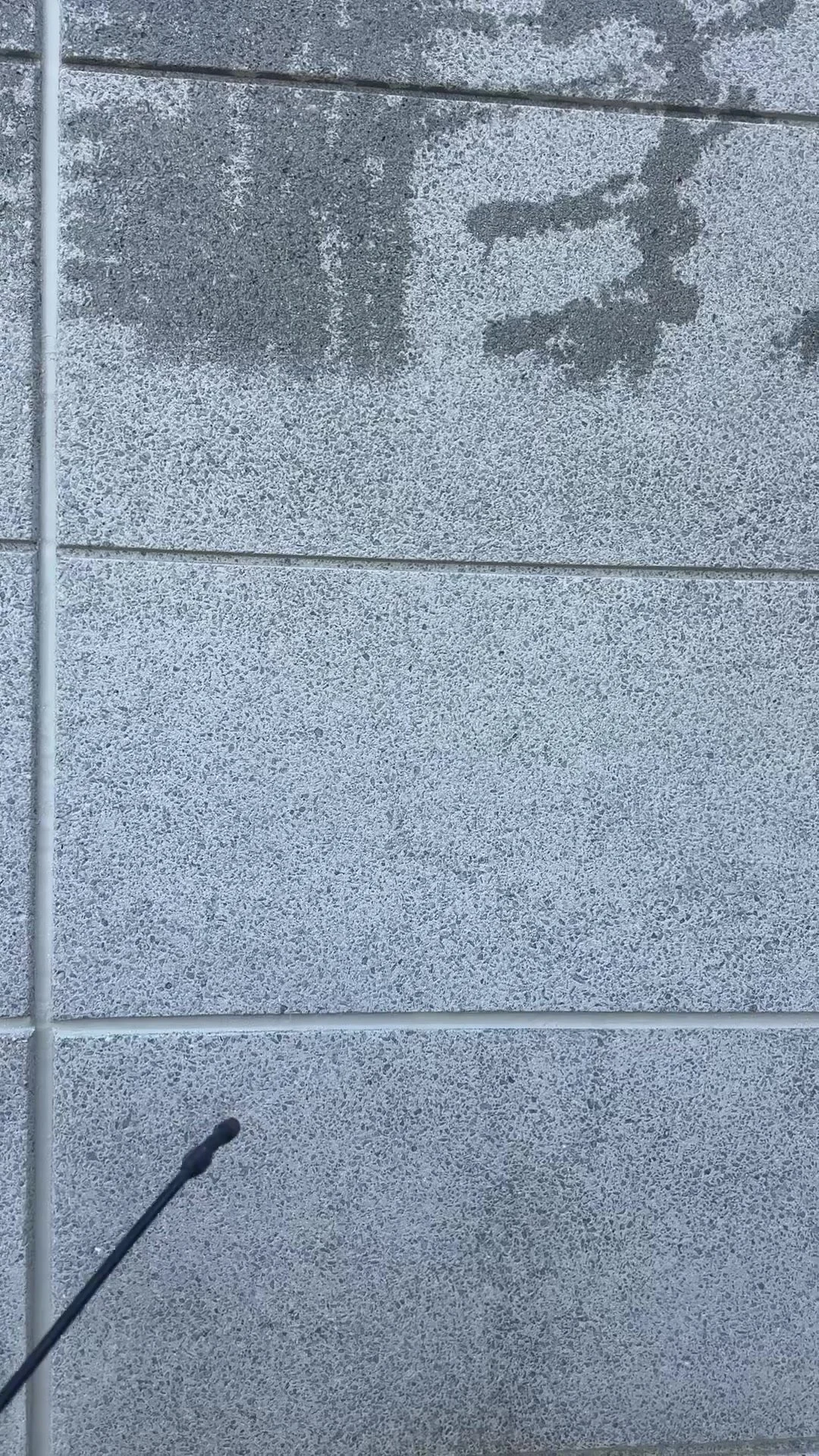
Silane Sealer Benefits for Concrete & Brick Buildings
See how a silane water repellent protects concrete and brick buildings from water intrusion, staining, and freeze-thaw damage. Real-world demonstration from a commercial project in Huntsville, AL.
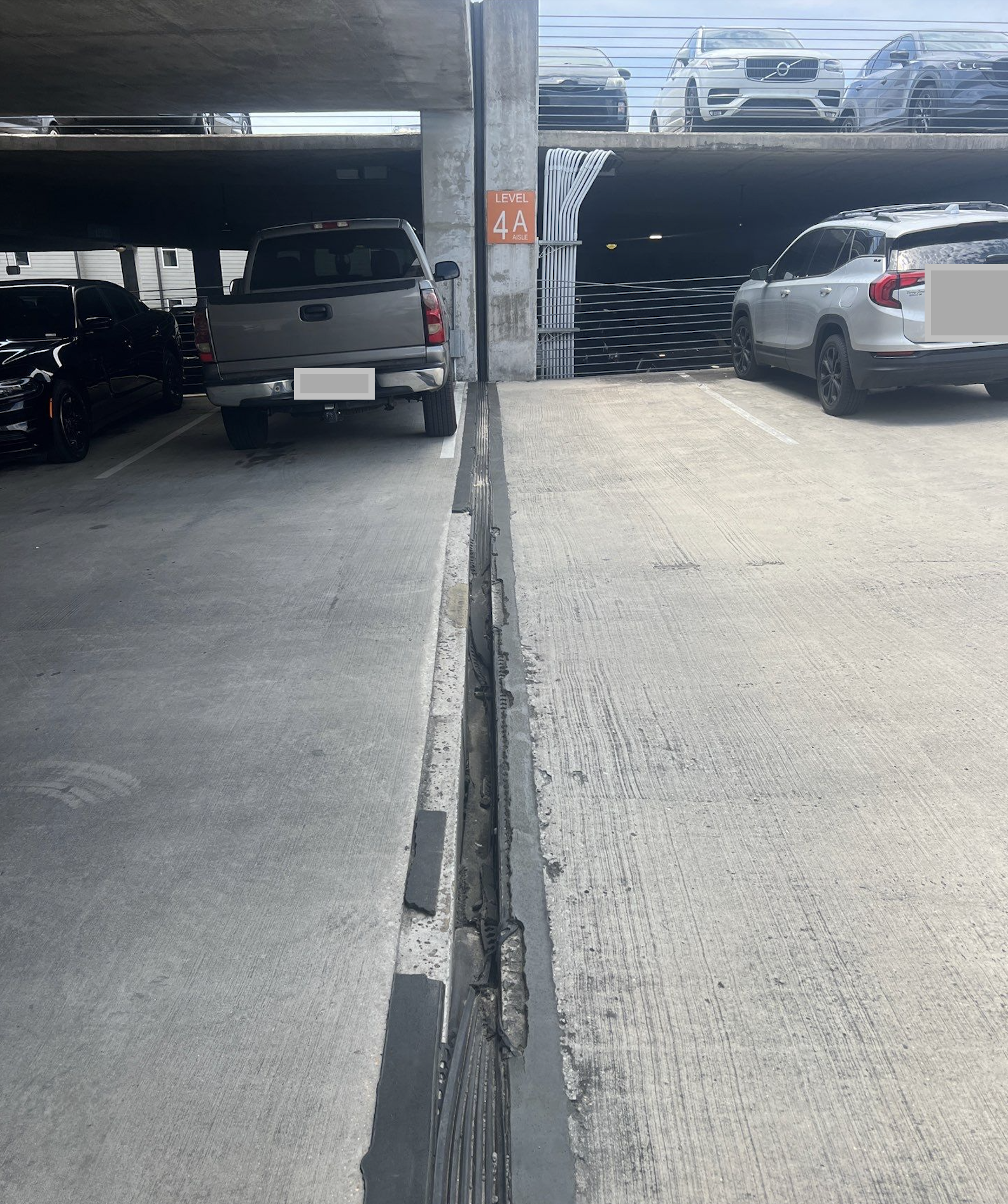
Why Parking Garage Sealants and Coatings Matter: A Real-World Example
Visible in this image is a failed expansion joint in a concrete parking deck, where the original sealant has deteriorated and the joint material is visibly dislodged or missing. This type of failure exposes the structure to water infiltration, corrosion, and long-term structural damage—highlighting the urgent need for joint restoration and waterproofing maintenance.