
A budgeting guide for property managers, owners, and asset managers. Written by Performance Waterproofing LLC, a commercial waterproofing and building envelope contractor serving Tennessee, Kentucky, Alabama, and Georgia.
Budget 2 to 4 percent of your building's current replacement value for maintenance and repair, every single year. That benchmark comes from the National Academies of Sciences, Engineering, and Medicine, which has restated it across multiple federal facilities studies since 1990. On a building that would cost $10 million to replace today, that is roughly $200,000 to $400,000 annually.
The cost of not doing it is not linear. The construction industry's standard cost model, de Sitter's Law of Fives, holds that $1 spent on good design and construction equals $5 spent on routine maintenance, equals $25 spent on repair once deterioration has begun, equals $125 spent on renovation once damage is widespread. Deferral does not add cost. It multiplies it, roughly five-fold each time the building crosses into the next stage of deterioration.
That is the whole argument. The rest of this page is the evidence, the mechanism, and how to build the line item.



Where the 2–4% number comes from, and what it does not include

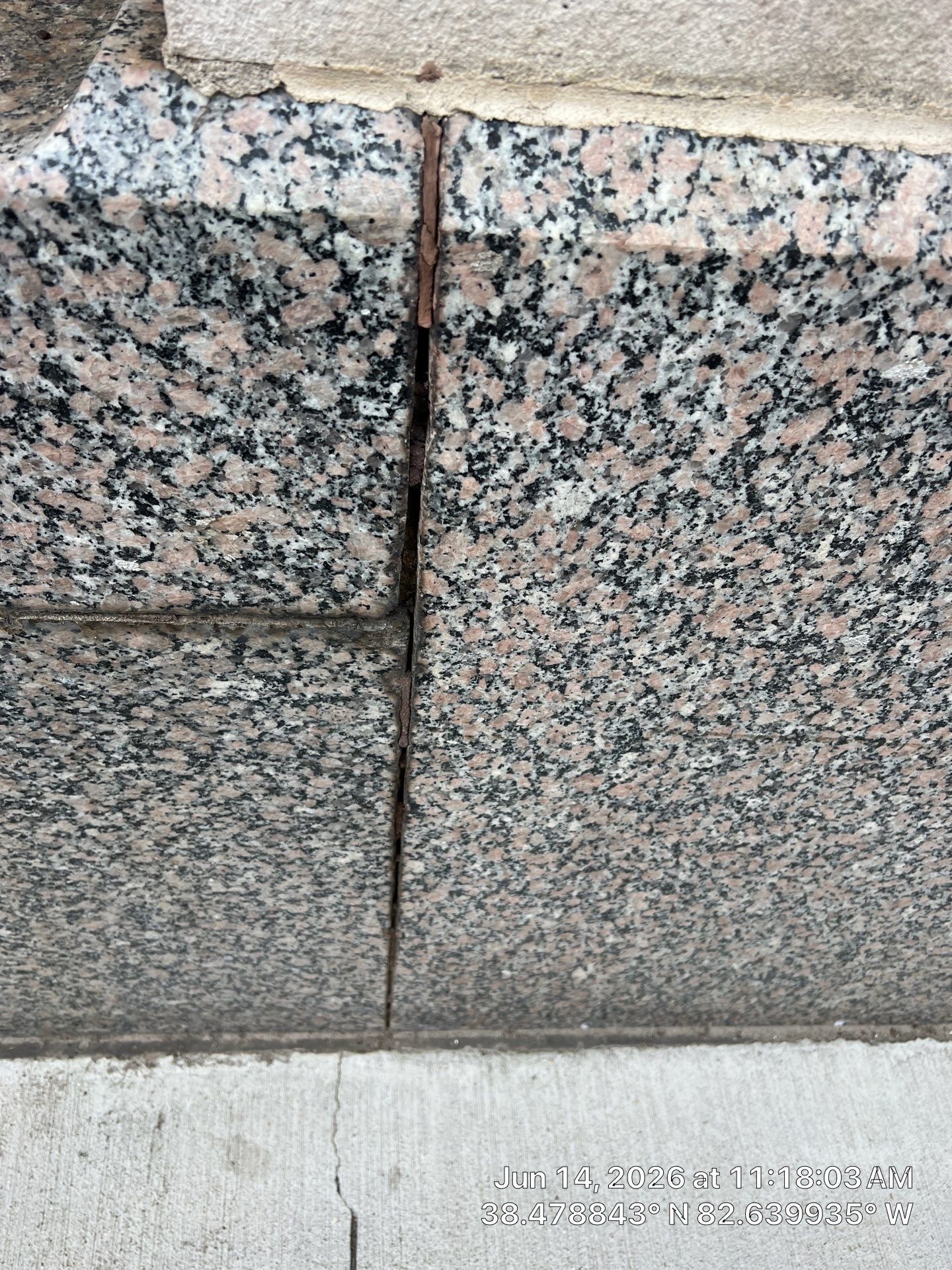
Water Finding Its Own Way Out-Efflorescence and mineral staining streaming down the full back wall of a lower-level parking garage from active water intrusion
The benchmark most facility professionals cite traces to the National Research Council's work on public building stewardship. The 2023 National Academies report Strategies to Renew Federal Facilities restates it directly: routine annual maintenance and repair of a substantial building portfolio "should range from 2 to 4 percent of aggregate replacement value." The same guideline appears in the Academies' 1990 and 1998 facilities reports, which is part of why it has held up — it is not a vendor's number, and it has survived three decades of review.
Two things about that figure matter for how you use it.
It is a percentage of replacement value, not of your operating budget or of rent roll. Current replacement value is what it would cost to rebuild the structure today, not what you paid for it, not the assessed value, and not the depreciated book value. Using the wrong denominator is the most common way this benchmark gets misapplied — and it almost always understates the number.
It covers maintenance and repair only. It is not utilities, janitorial, security, landscaping, or administration. It also does not cover major capital replacement — replacing an entire roof system, an entire parking deck, or an entire curtain wall at end of life. Those are separate capital events that a well-run reserve plans for on top of the annual maintenance figure.
Where should a specific building land inside the 2–4% band? Higher, if any of these are true: the building is past 20 years old; it sits in a freeze-thaw climate (most of Tennessee and Kentucky qualify); it has high-UV southern and western exposures; it has a parking structure, plaza deck, or below-grade occupied space; or it already carries a deferred maintenance backlog. A 35-year-old building with a parking deck and a decade of postponed envelope work is not a 2% building. Funding it at 2% is not a budget — it is a schedule for further decline.
The math of putting it off: de Sitter's Law of Fives
In 1984, Dutch engineer W.R. de Sitter presented a cost model to the CEB-RILEM workshop on concrete durability that has been quoted in the concrete repair and building envelope industry ever since. It divides an asset's life into four stages and observes that the cost of intervening rises roughly five-fold at each one:
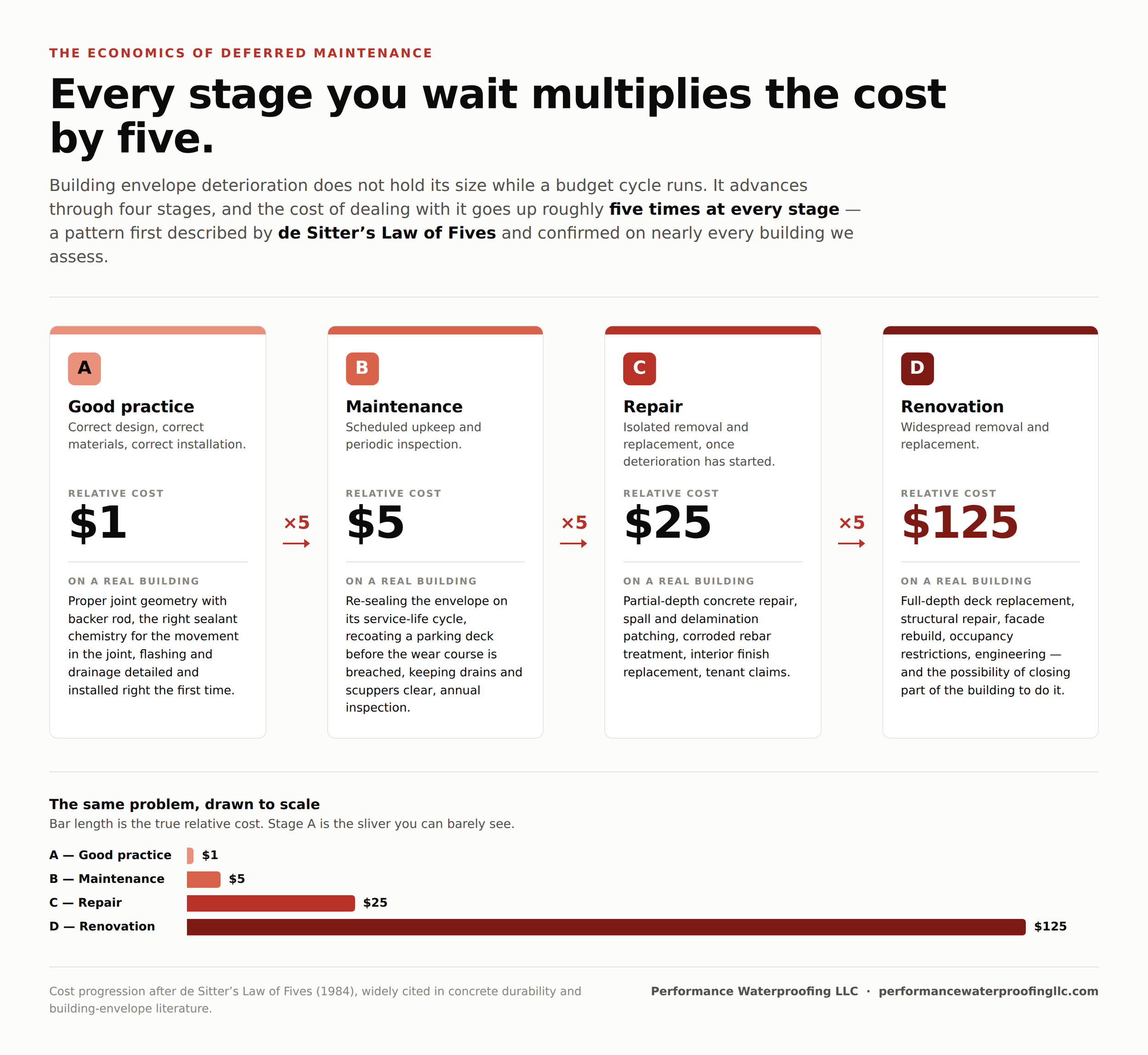
de Sitter was explicit that the numbers are illustrative rather than precise. That is the right way to read them. The point is not that the multiplier is exactly five — it is that the relationship is exponential rather than additive, and that is the part that breaks most budget intuition.
Here is why that distinction changes the decision. If deferral were additive, waiting would be a financing question: pay $60,000 now, or pay $70,000 in three years, and the answer depends on your cost of capital. Because it is multiplicative, waiting is not a financing question. It is a question of which stage the work gets done in. A $60,000 envelope re-seal deferred until water has reached the substrate is no longer a $60,000 job that costs more. It is a different, larger job — one that now includes concrete repair, interior restoration, and a longer occupancy disruption.
Property managers see this every year and rarely name it. The estimate you requested in 2023 and declined comes back higher in 2026, and it reads like contractor pricing. Usually it is not. You are not being re-quoted for the same scope. You are being quoted for a scope that grew while you waited.
Your building is already on a clock, whether you funded it or not
The reason maintenance budgeting is not optional is that the deterioration curve runs on its own schedule. It does not pause because a budget cycle was tight.
Exterior sealant is the clearest example, and it is the single most common water entry point on commercial buildings. Field studies reported by ASTM International found that roughly 50% of building sealants fail within 10 years, and 95% fail within 20 years. Read that as a budgeting fact rather than a product criticism: sealant is a consumable with a defined service life, exactly like a roof membrane or a traffic coating. A building that has never had a full envelope re-seal is not a building that got lucky. It is a building running on expired sealant.
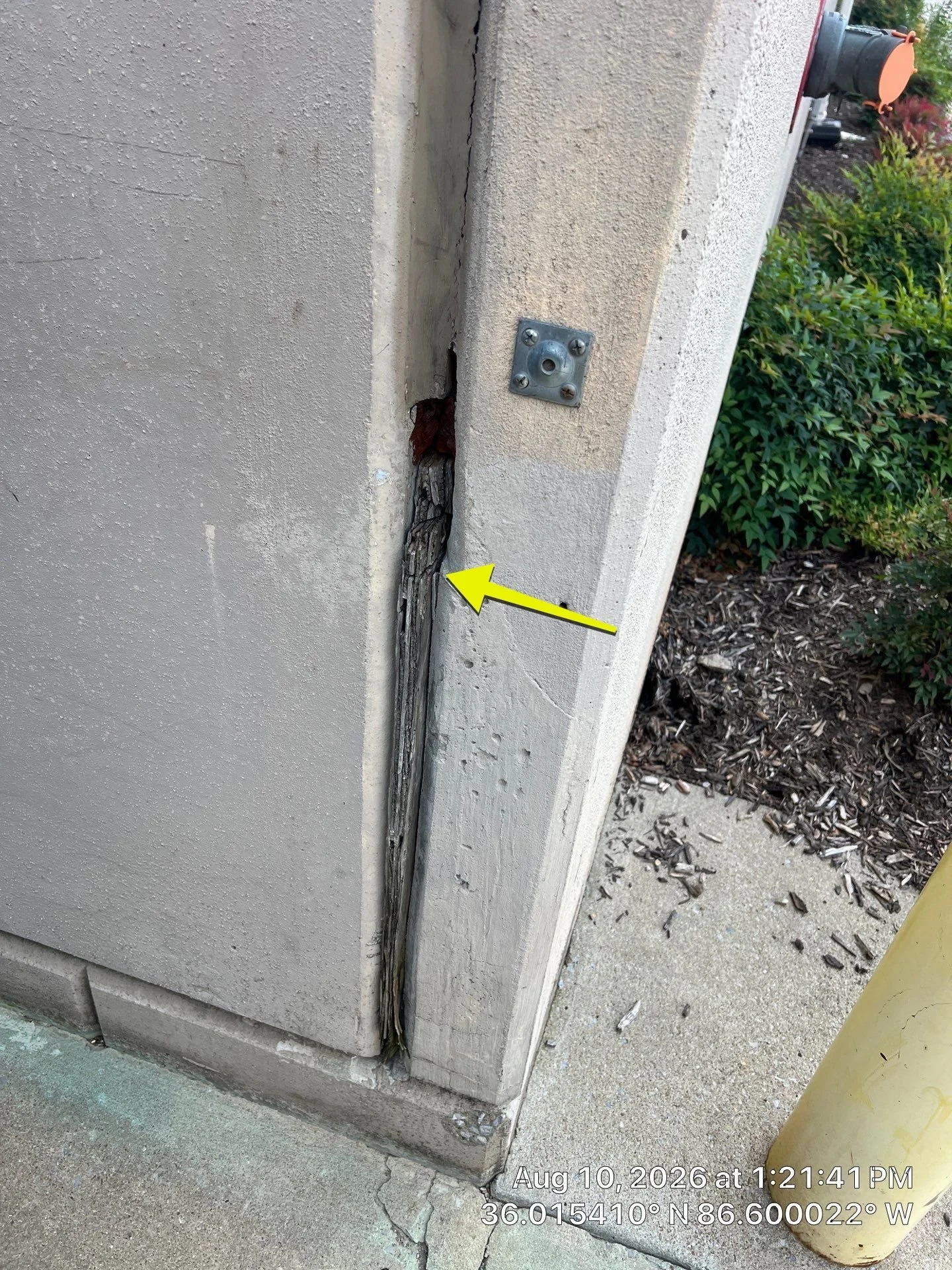
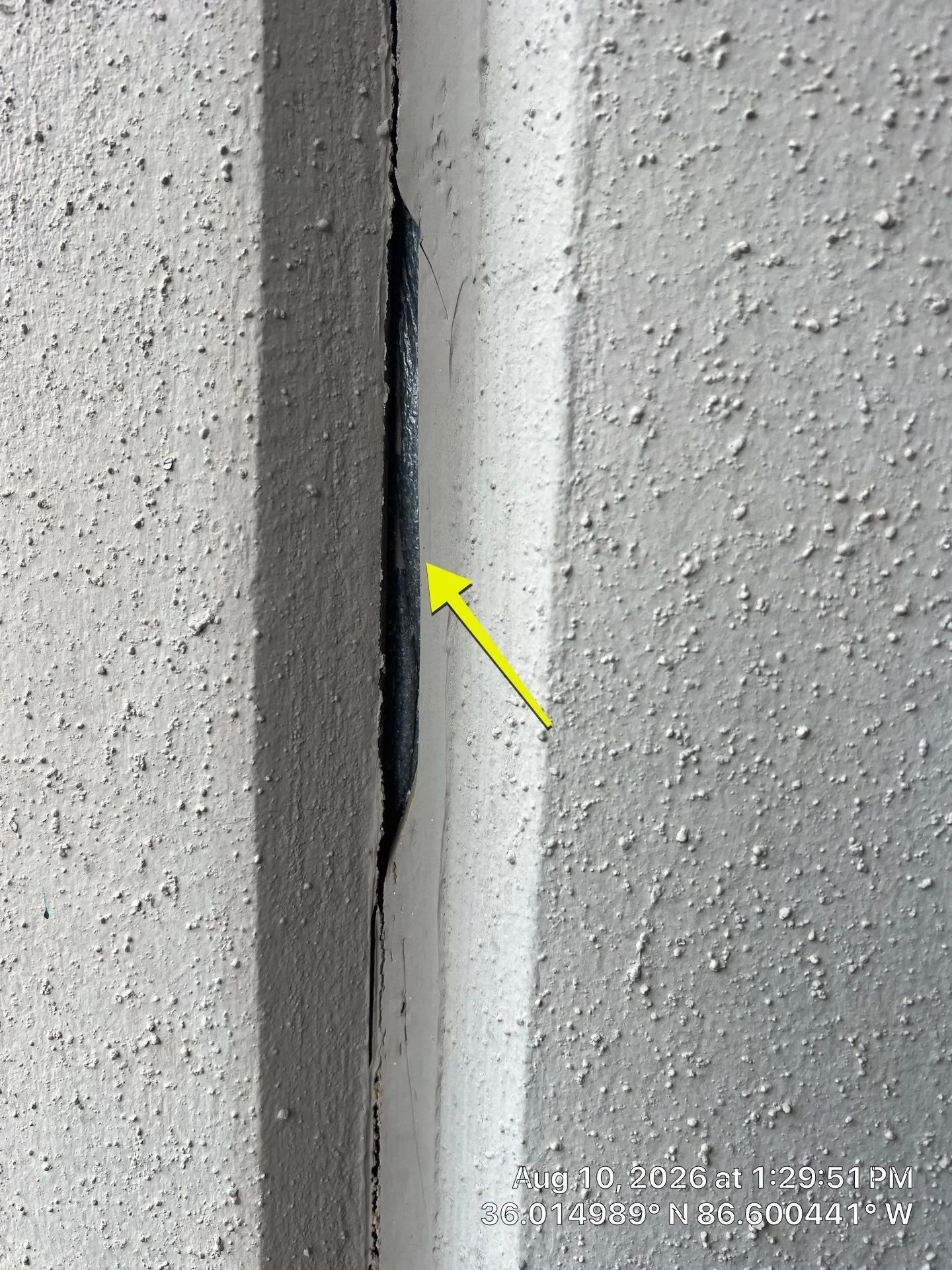
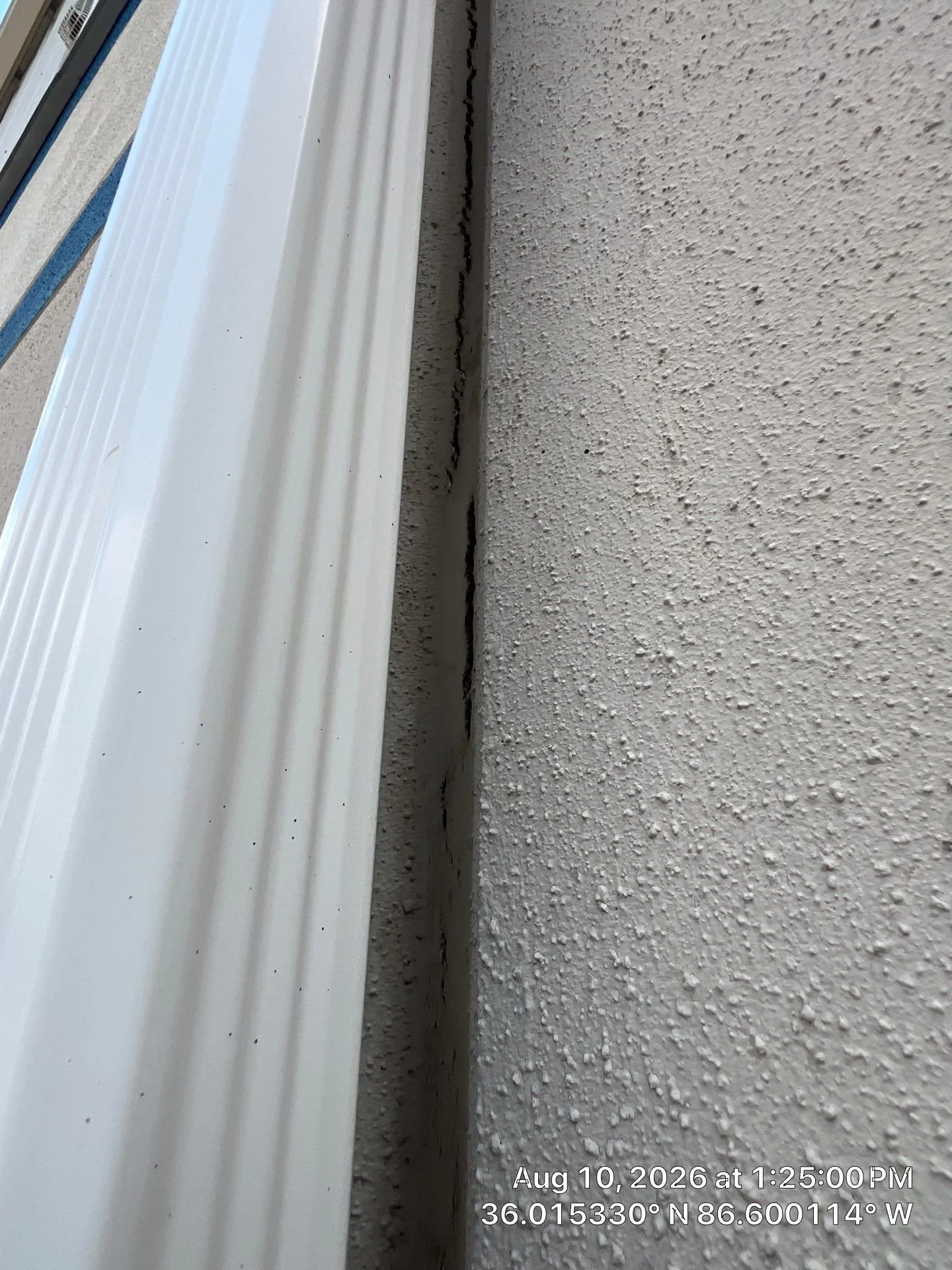
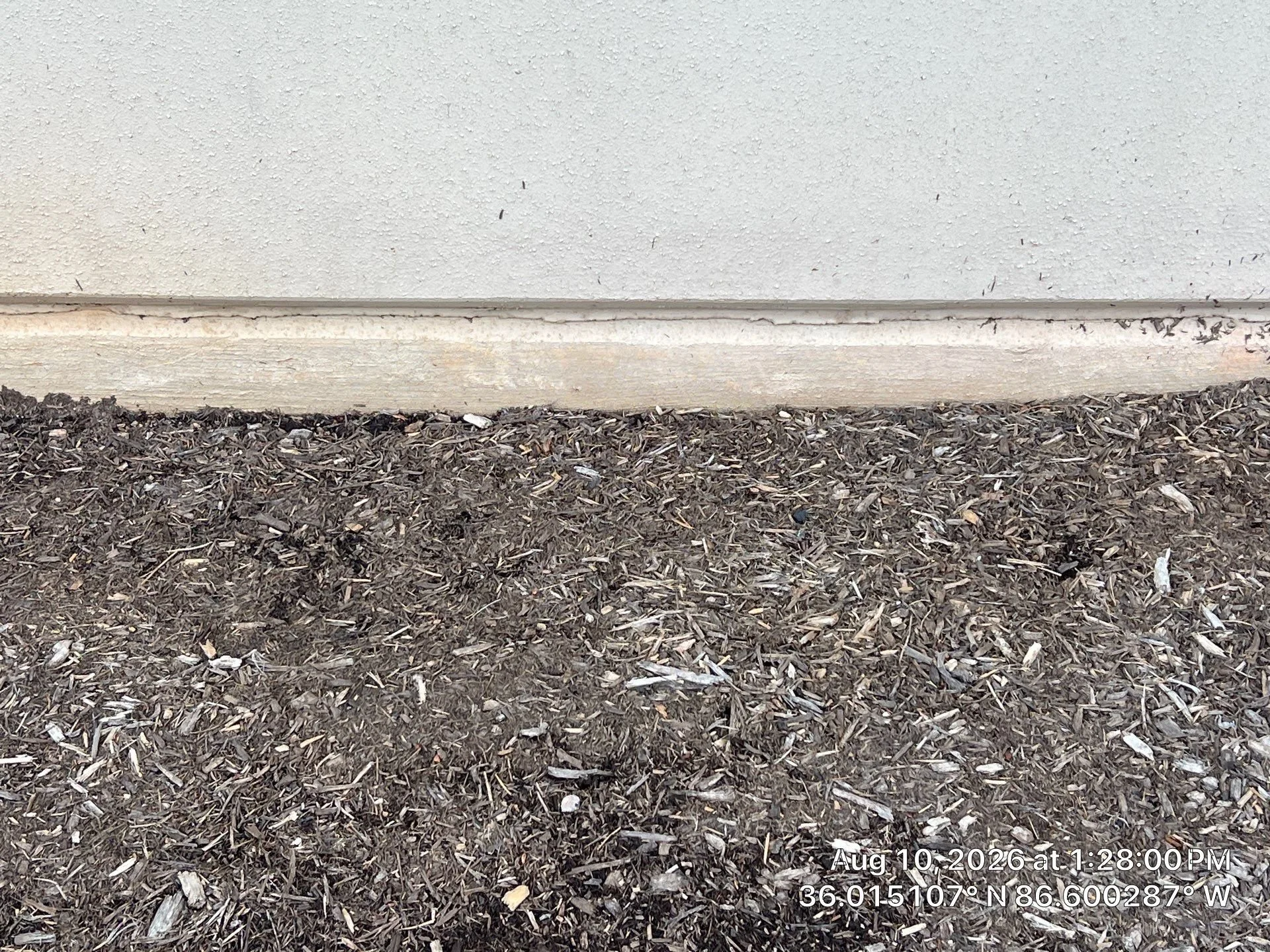
What that means in practice is that the money is already committed. The joints on your building will be replaced. The only decisions still open to you are when, at which of de Sitter's four stages, and whether it happens as planned competitive work or as an emergency mobilization after water reaches a tenant's space.
This is also, incidentally, one of the most commonly litigated failure points in the industry. A review of 46 construction defect cases from 2011 to 2019 published by Vertex found that missing or deficient sealant joints and unsealed penetrations were cited in 78% of the cases reviewed, and improper integration of the water-resistive barrier in 67%. Sealed joints are not a cosmetic item.
Five costs that never appear on the repair estimate
When owners compare "fix it now" against "fix it later," they usually compare two contractor numbers. That comparison leaves out most of what deferral actually costs.
-
On a mid-rise or high-rise, a meaningful share of the cost of exterior work is getting to the work: boom lifts, swing stages, suspended scaffolding, traffic control, permits, and the crew days spent setting up and tearing down. Patching one leaking elevation at a time means paying for access over and over. A planned full re-seal pays for it once. Owners who have spent five years on spot repairs have often already spent more on access than the comprehensive job would have cost.
-
This is the expensive one. Failed sealant is a sealant problem for a short time only. Water in the wall assembly becomes a substrate problem. Water reaching reinforcing steel becomes a corrosion problem, and corroding steel expands with enough force to crack and spall the concrete around it — which then admits more water, faster. A caulking scope becomes a concrete restoration scope, which is a different crew, a different schedule, and a different order of magnitude.
-
Interior damage from envelope failure is rarely just drywall. It is ceiling tile, flooring, insulation, IT equipment, inventory, abatement if there is mold, and displacement while the work is done. In a leased asset it also touches revenue: rent abatement, tenant improvement concessions, and, in the worst version, a tenant who does not renew. Those dollars are real, and they land in a completely different line of the operating statement than the repair would have.
-
Commercial property policies commonly exclude damage from long-term seepage, gradual deterioration, and lack of maintenance and carriers investigate how long a condition existed. A burst pipe and a facade that has been leaking through failed sealant for four winters are underwritten very differently. Water losses also accumulate in a property's loss history and follow it into renewal pricing. Documented preventive maintenance is worth keeping on file for exactly that reason. (Verify your specific policy language with your broker; coverage varies.)
-
Item descrDeferred maintenance does not stay invisible. It shows up in the buyer's property condition assessment, and it gets negotiated off the purchase price frequently at more than the cost of having done the work, because a buyer prices in risk and their own contingency on top of the repair. Lenders' engineering reports do the same thing on a refinance, sometimes as a required reserve escrow. Maintenance spending is one of the few operating expenditures that reliably shows back up in the exit.
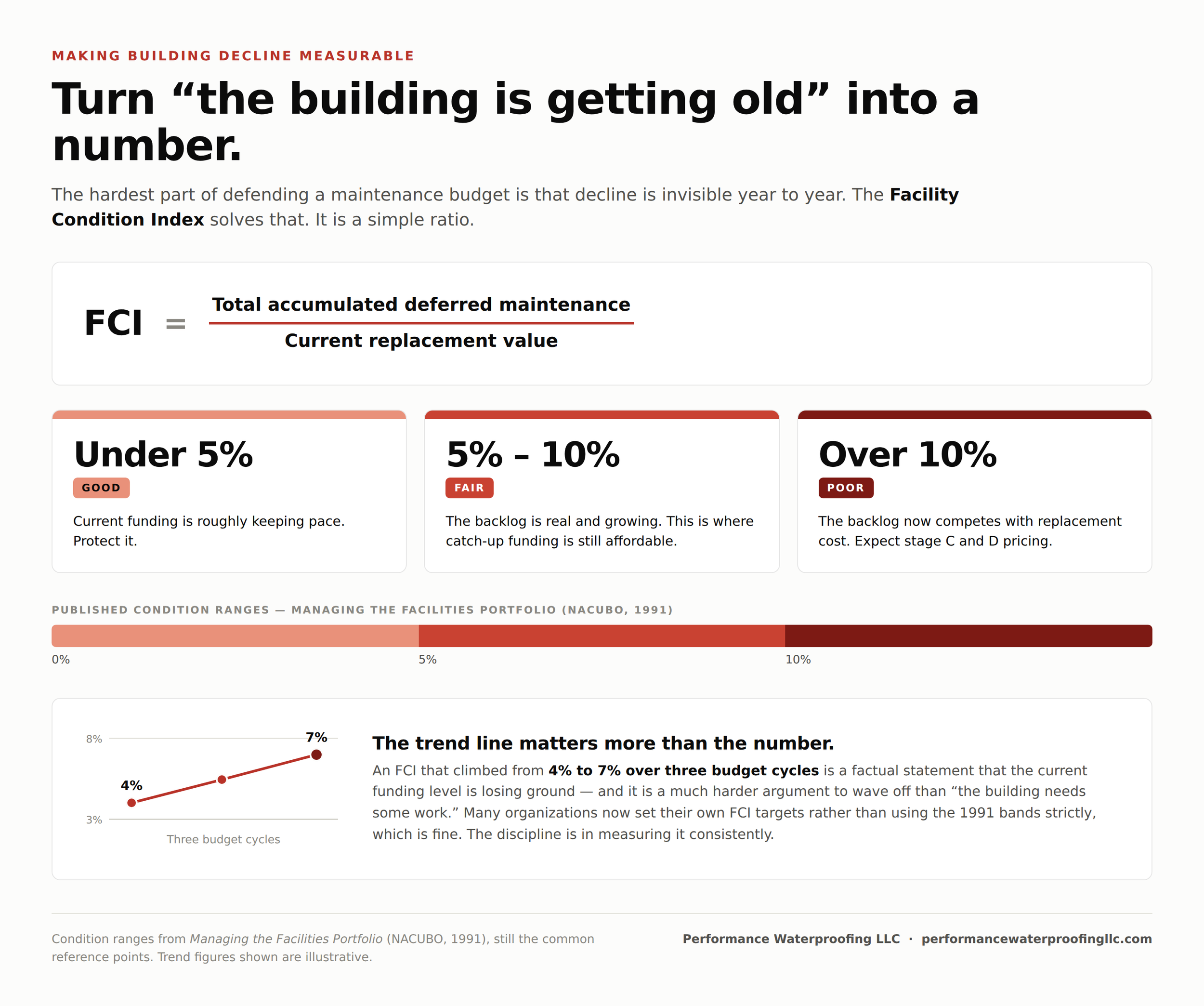
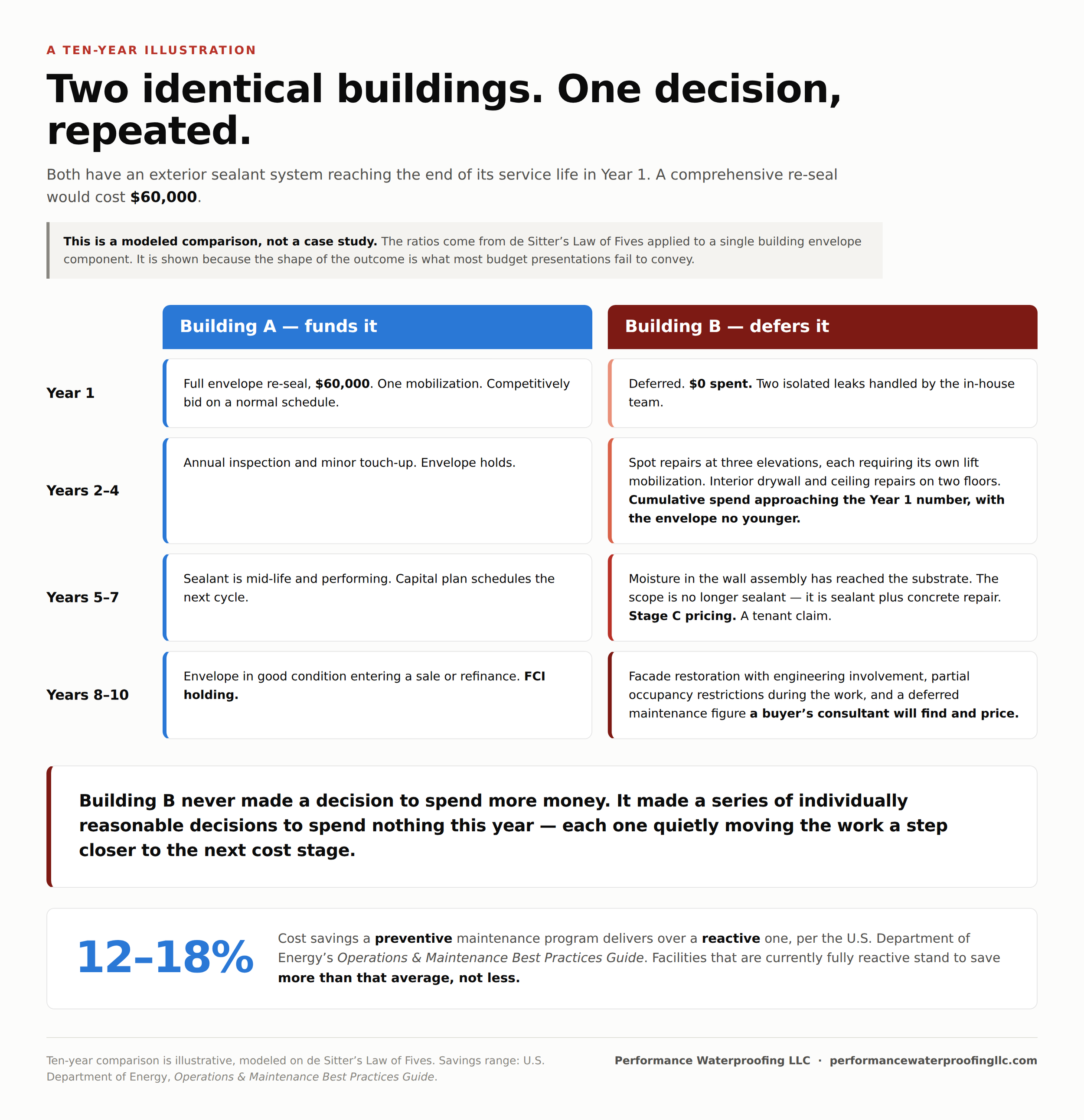
Find out which stage your building is actually in
Most owners do not know whether they are at stage B or stage C — and the difference between those two answers is roughly five times the budget. A building envelope assessment gives you the written findings, photographs, and quantities you need to build next year's number and defend it.
Sources
National Academies of Sciences, Engineering, and Medicine (2023). Strategies to Renew Federal Facilities. Washington, DC: The National Academies Press. — 2–4% of aggregate replacement value guideline for annual maintenance and repair. Read
National Research Council (1996). Budgeting for Facilities Maintenance and Repair Activities: Report Number 131. National Academy Press. — Origin of the 2–4% federal facilities guideline. Read
National Research Council (1990). Committing to the Cost of Ownership: Maintenance and Repair of Public Buildings. National Academy Press. Read
de Sitter, W.R. (1984). "Costs for Service Life Optimization: The Law of Fives." CEB-RILEM International Workshop on Durability of Concrete Structures, Copenhagen. — The $1 : $5 : $25 : $125 cost escalation model.
ASTM International (2012). "How Long Will It Last?" Standardization News. — Field study finding ~50% of building sealants fail within 10 years and 95% within 20 years. Read
Rush, S.C., ed. (1991). Managing the Facilities Portfolio. National Association of College and University Business Officers. — Facility Condition Index condition ranges (good <5%, fair 5–10%, poor >10%).
U.S. Department of Energy / Pacific Northwest National Laboratory. Operations & Maintenance Best Practices Guide, Release 3.0. — Preventive maintenance delivers 12–18% cost savings over reactive maintenance. Read
Vertex. "Building Envelope Issues Within Construction Defect Litigation." — Review of 46 construction defect cases (2011–2019); deficient or missing sealant joints cited in 78% of cases. Read