
A penetrating silane water repellent is one of the most cost-effective ways to protect a commercial concrete, precast, or brick facade from water intrusion, staining, efflorescence, and freeze-thaw damage. Watch the real-world demonstration below and see why we specify silane sealers on masonry buildings across the Southeast.
Treated vs. Untreated
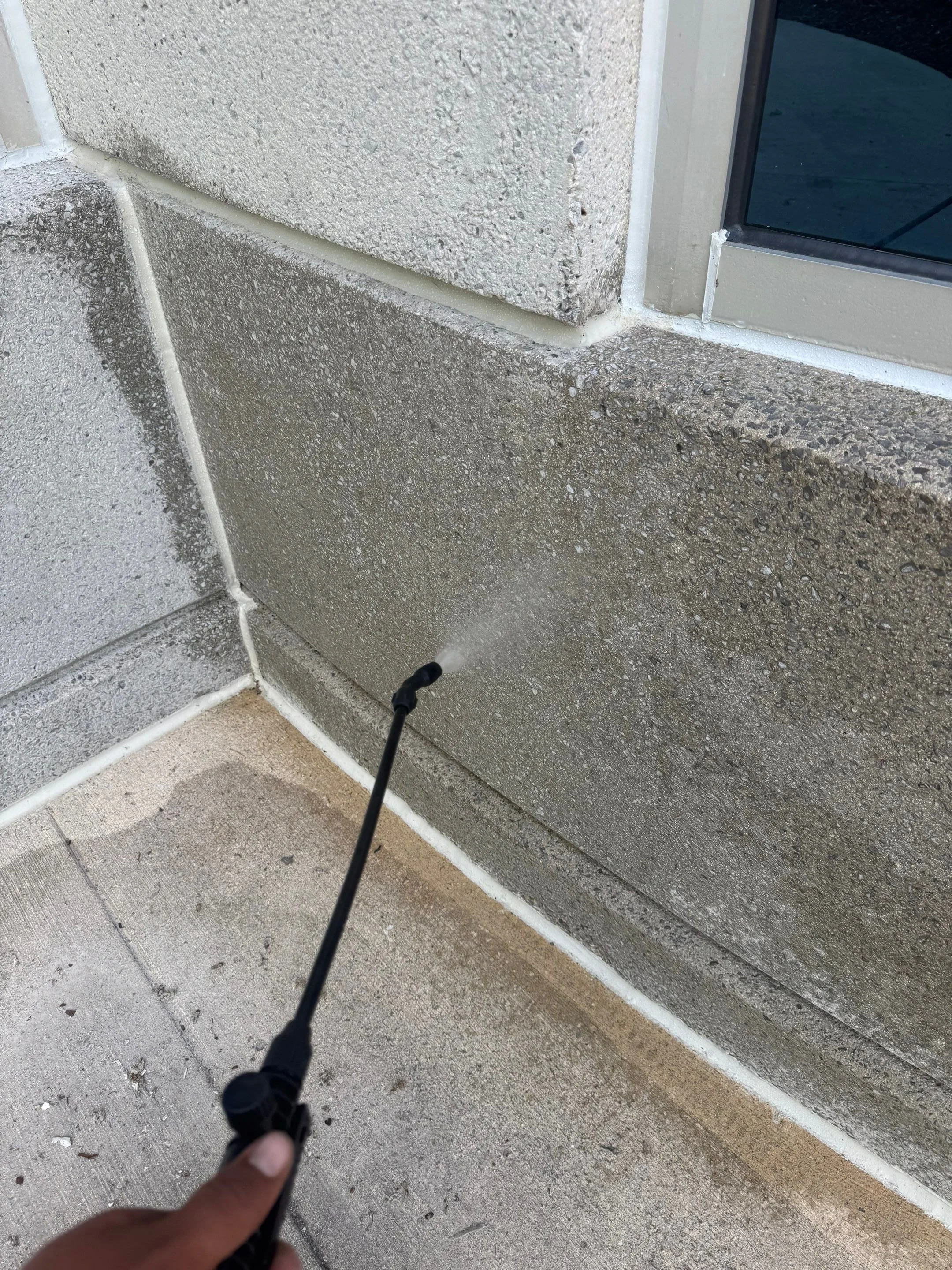
Captured on an active commercial restoration project in Huntsville, Alabama. Water sprayed on the untreated precast panel immediately soaks in and darkens the concrete. Water sprayed on the silane-treated panel beads up and runs off — no absorption, no staining, no film.
WHAT IS A SILANE SEALER?
A silane sealer (also called a silane water repellent or penetrating masonry sealer) is a clear, low-viscosity liquid made of small silane molecules that soak deep into porous building materials like concrete, precast panels, CMU block, stone, and brick. Once inside the substrate, those molecules react with moisture and chemically bond to the pore walls, creating a hydrophobic (water-hating) barrier beneath the surface.
Unlike film-forming coatings or topical sealers, a silane does not sit on top of the masonry. There is nothing to peel, flake, yellow, or trap moisture. The concrete or brick keeps its natural appearance and full vapor permeability — but water can no longer get in.
How a Silane Water Repellent Works
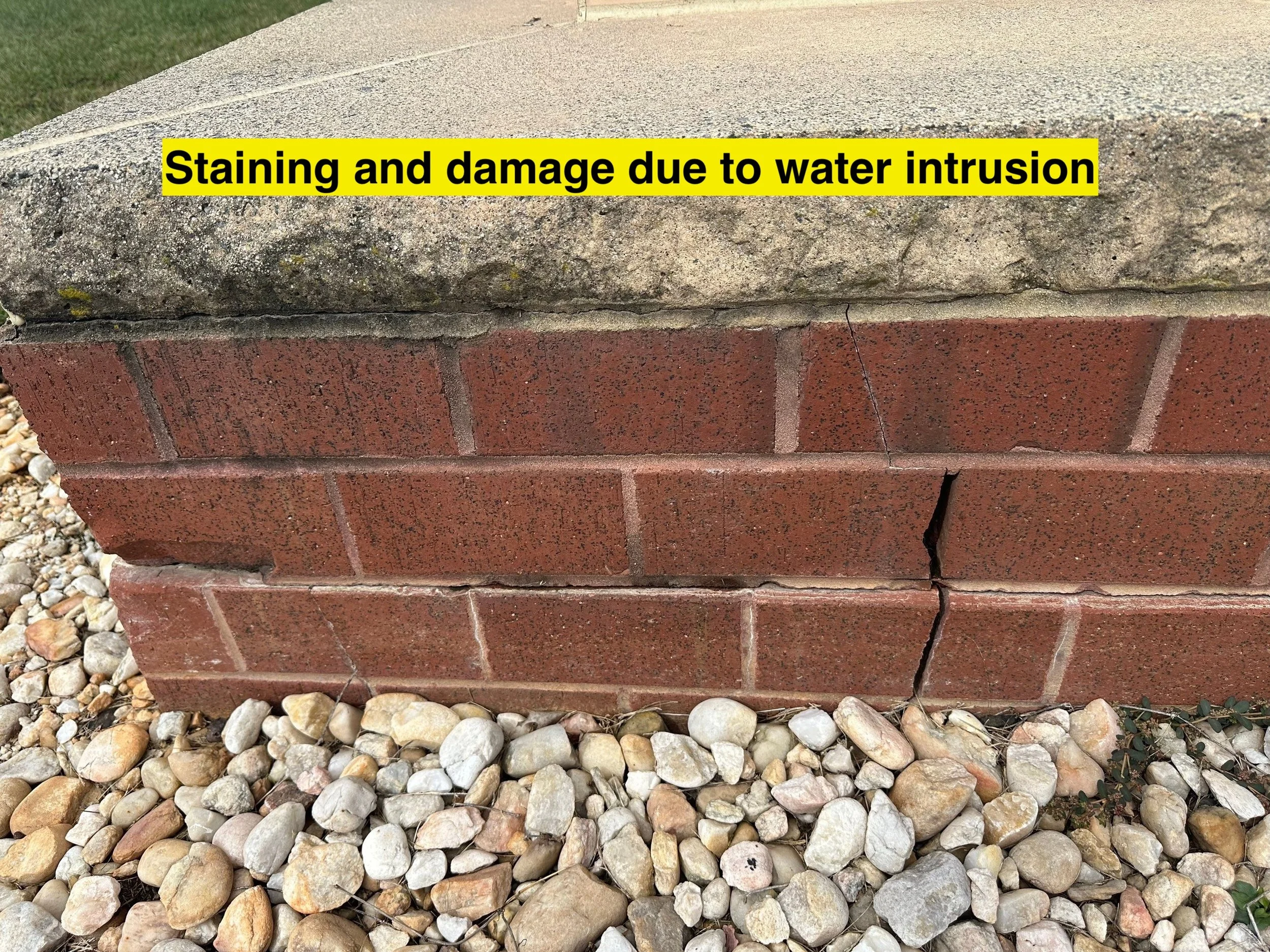
Water damages masonry in three ways:
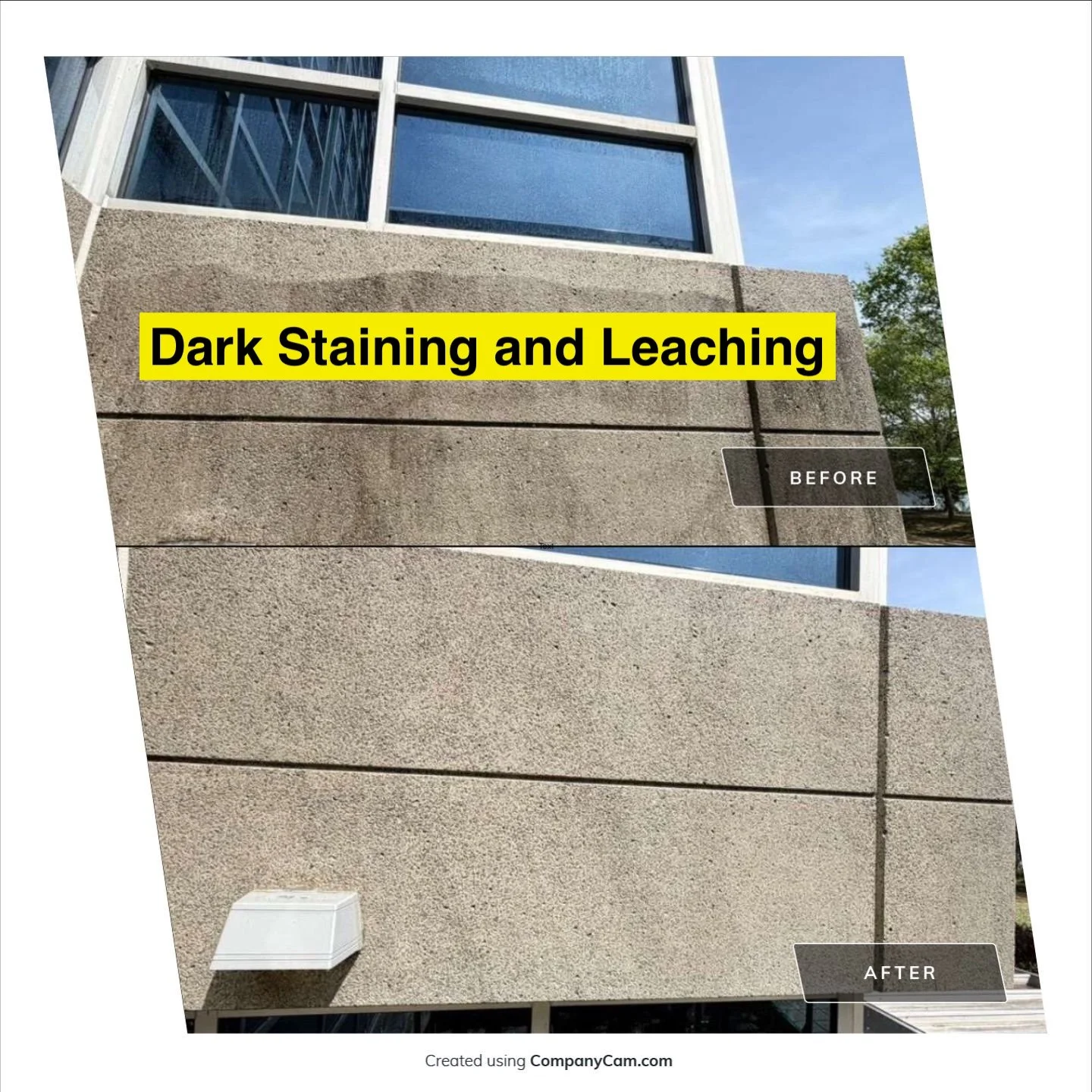
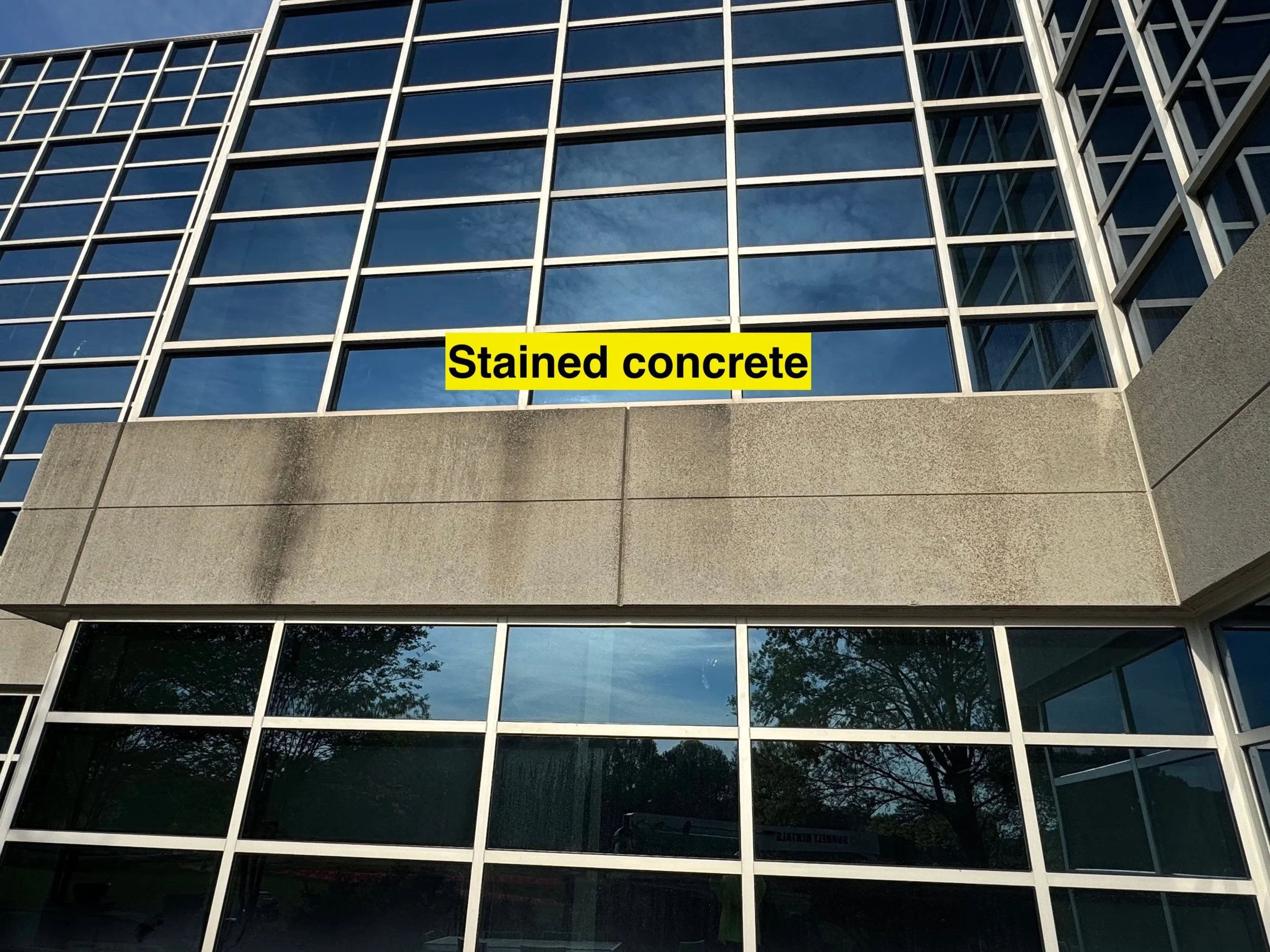
It carries stains and pollutants into the pores,
It dissolves and redeposits minerals (causing efflorescence)
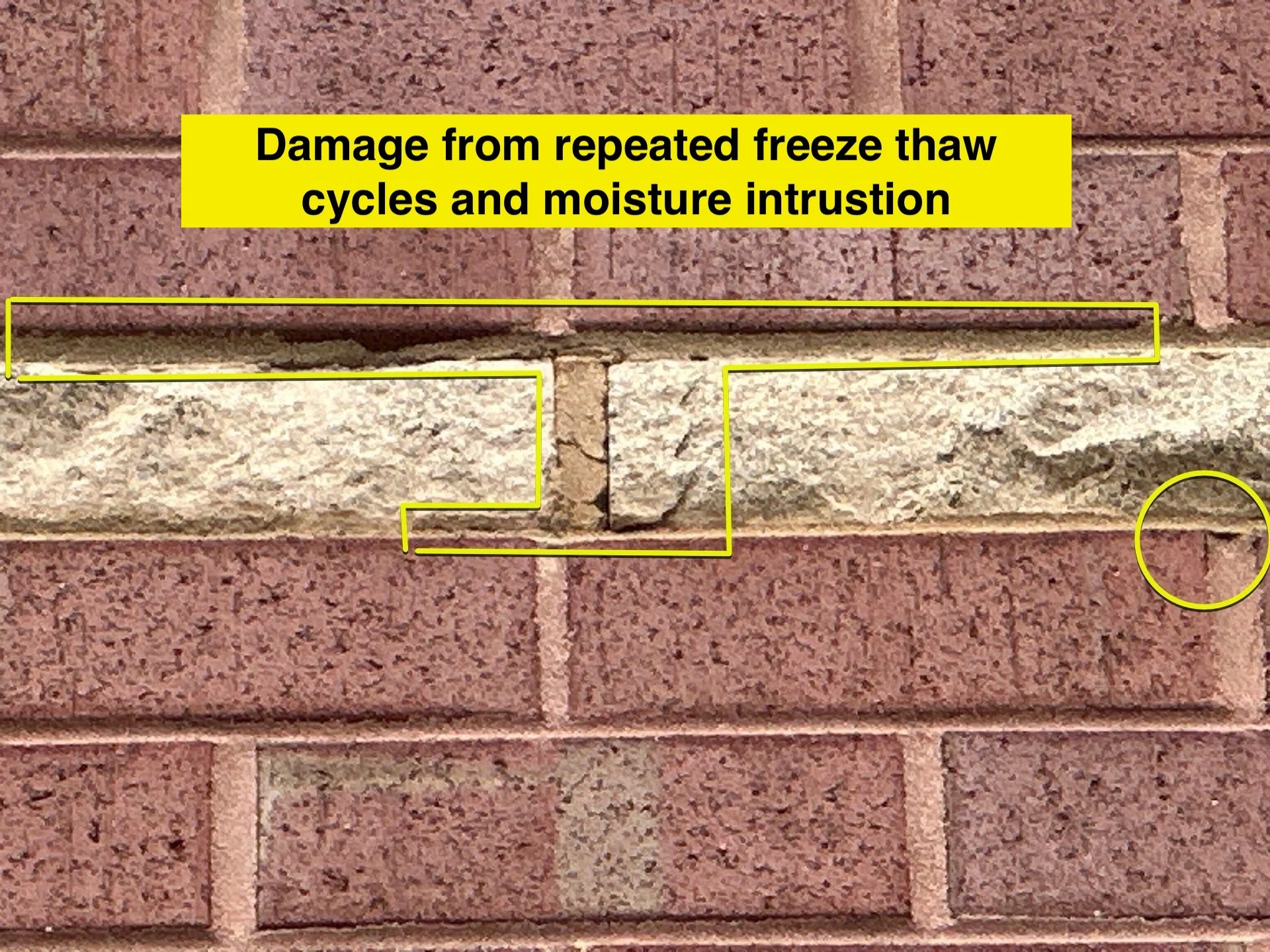
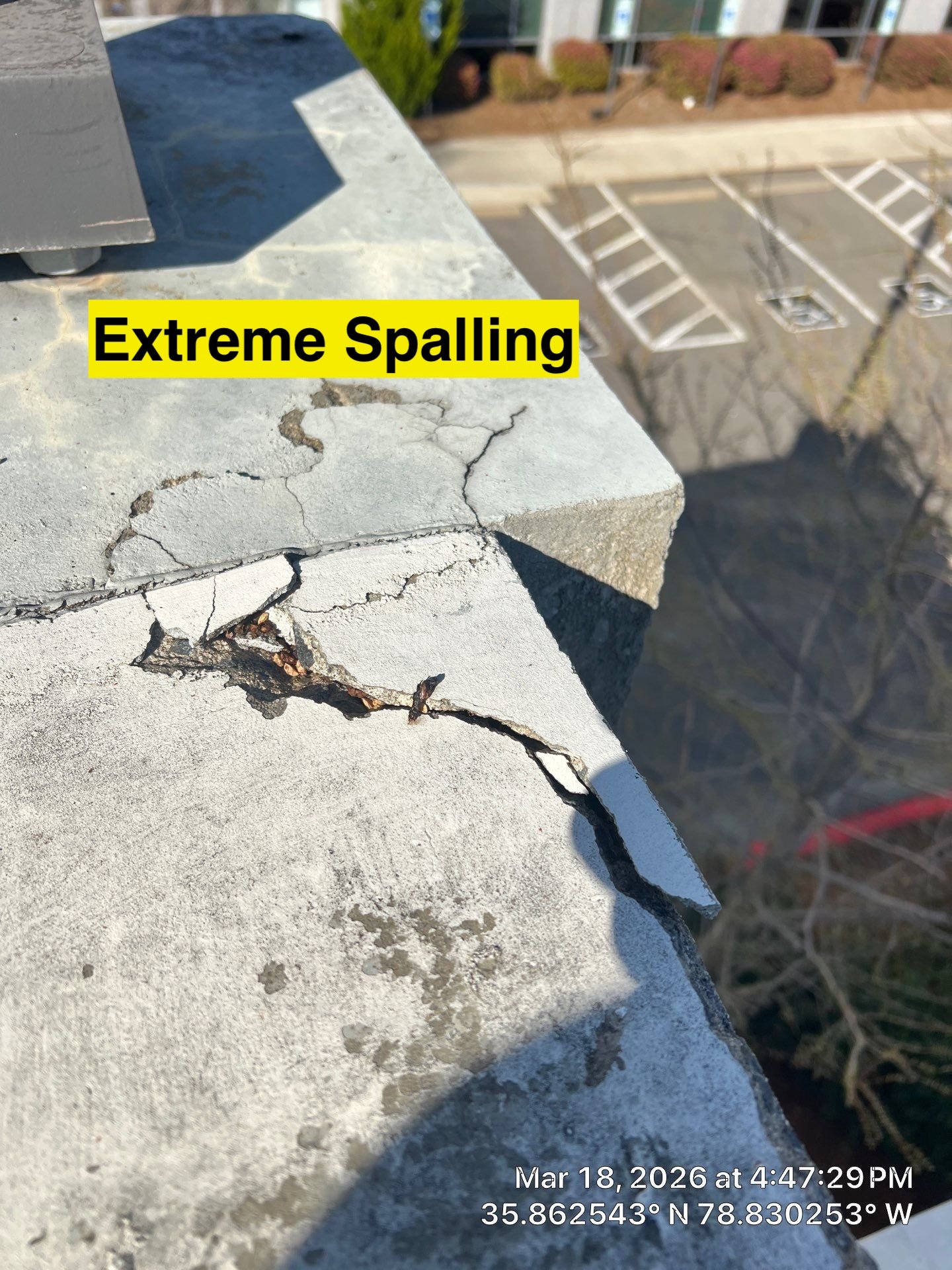
It freezes and expands inside the substrate (causing spalling and cracking)
A silane sealer interrupts all three mechanisms by preventing liquid water from ever entering the pore structure, while still letting water vapor escape from the inside out. That is the reason you can see the dramatic beading and sheeting behavior in the video above.
7 Benefits of Silane Sealers for Concrete, Precast & Brick
Here is why property owners, facility managers, and general contractors specify a silane water repellent on commercial masonry buildings:
1. Blocks Water Intrusion
Stops rain, sprinkler spray, and wind-driven moisture from being absorbed into the substrate — the root cause of most envelope failures.
2. Prevents Freeze-Thaw Spalling
Water that cannot enter the concrete cannot freeze inside the concrete. Silane dramatically reduces spalling, cracking, and surface scaling in cold climates.
3. Stops Efflorescence & Staining
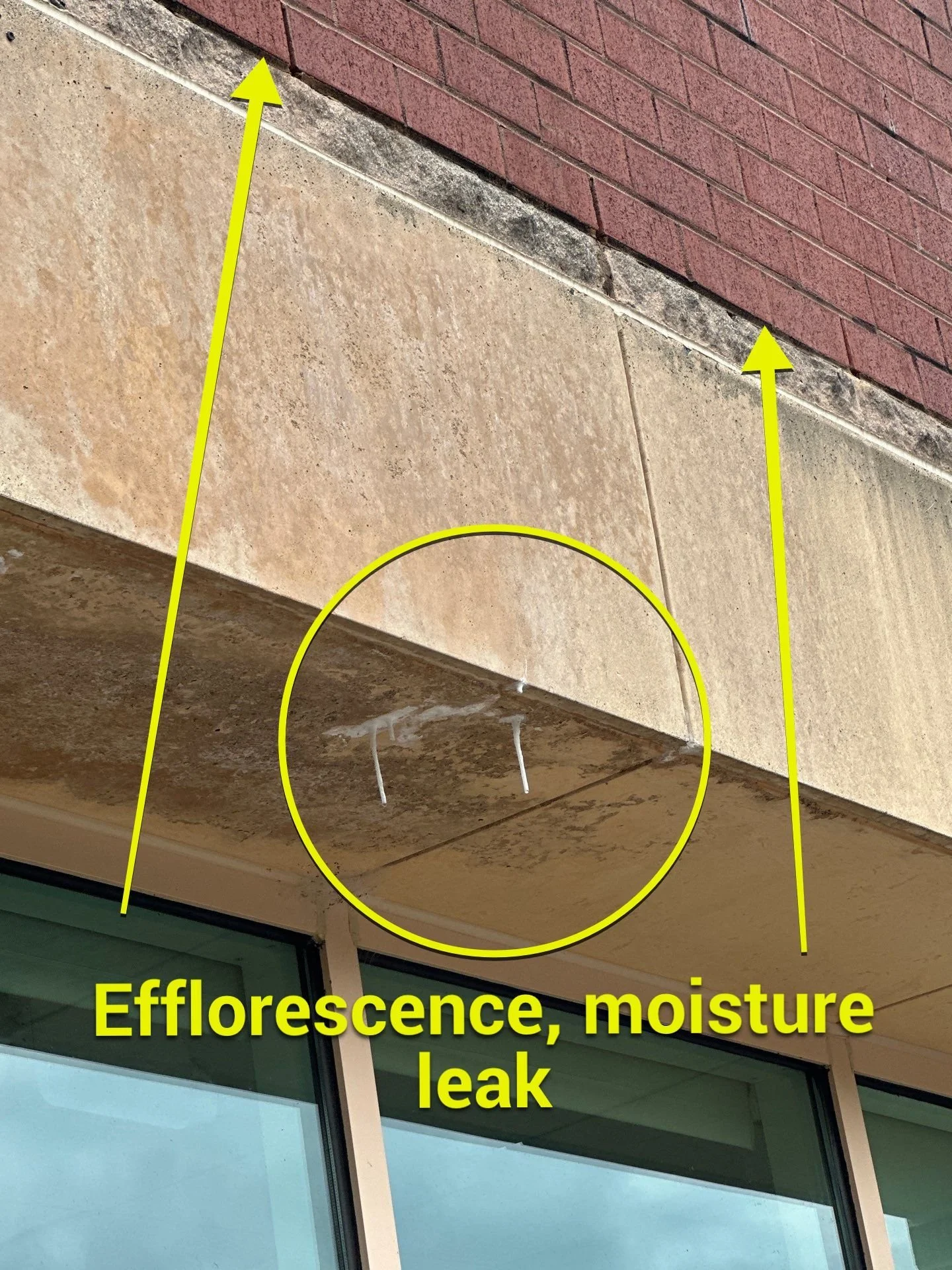
Eliminates the white mineral bloom and dark water stains that form when moisture carries salts to the surface of brick and precast.
4. No Change in Appearance
Silane penetrates below the surface — no sheen, no darkening, no color shift. Your building looks identical the day after application.
5. Fully Vapor-Permeable
The masonry continues to breathe. Trapped interior moisture can still escape, preventing the blistering and delamination caused by film-forming coatings.
6. Long Service Life
Premium commercial-grade silanes like Protectosil AQUA-TRETE SG are engineered to perform for 10–20 years on vertical masonry facades.
7. Graffiti & Contaminant Resistance
Many commercial silane formulations also act as a sacrificial anti-graffiti layer and resist oil-based and water-based contaminants that normally cause permanent staining.
Best Applications for Silane Sealers
Silane water repellents are the right specification for most vertical masonry surfaces on commercial, industrial, institutional, and multifamily buildings:
Precast concrete panels
Cast-in-place concrete facades
Exterior brick veneer
CMU and split-face block
Natural and cast stone
Parking structures and podium decks
Stadium and arena facades
Retaining walls and site walls
When Should You Apply a Silane Sealer?
New construction is the ideal time — the substrate is clean, dry, and ready to accept a penetrating sealer at maximum depth. Silane water repellents are also commonly applied during restoration projects, especially after tuckpointing, precast repair, or a joint sealant replacement. Warning signs your building needs a silane treatment include:
Dark water staining on precast, brick, or block facades
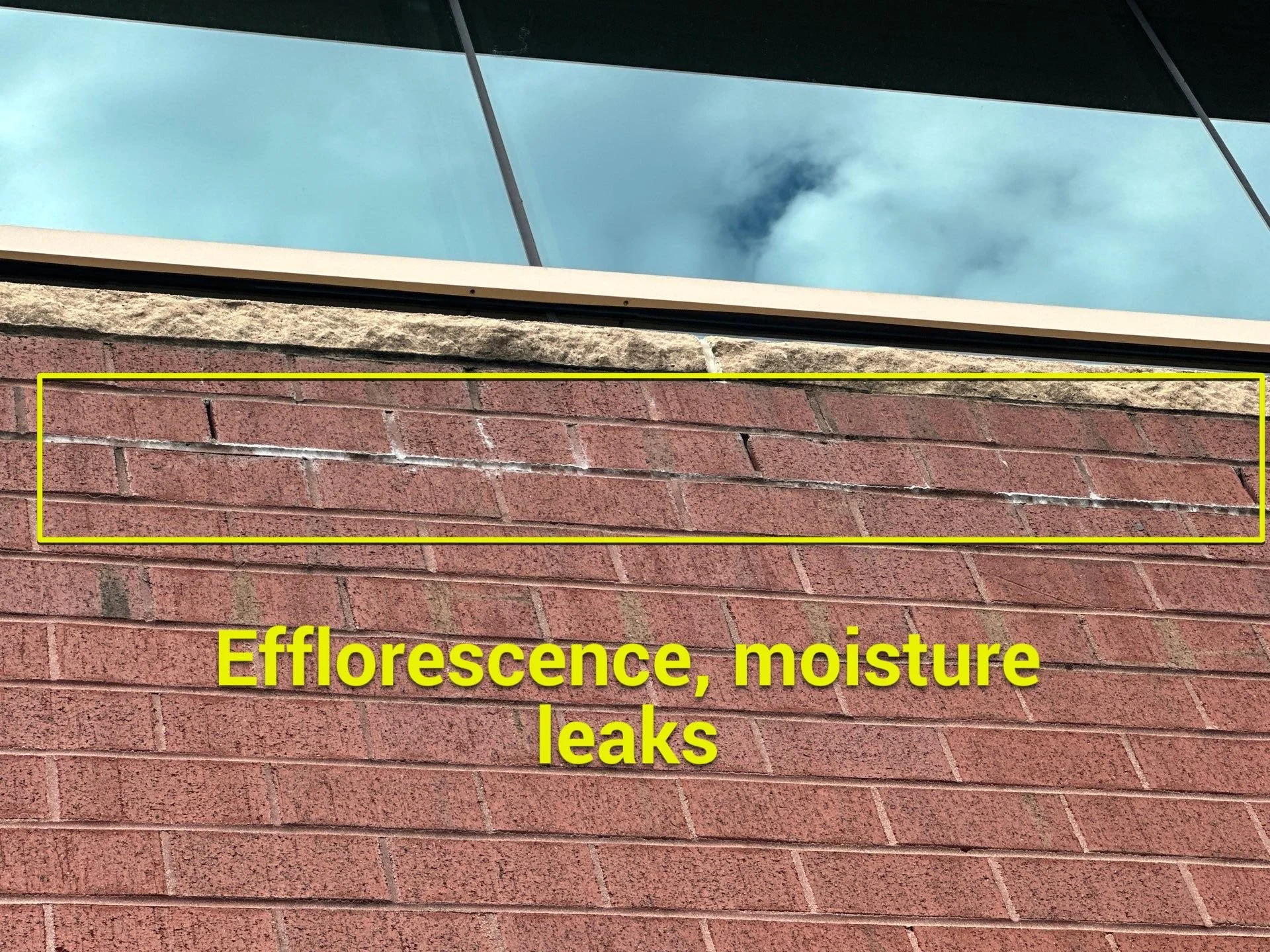
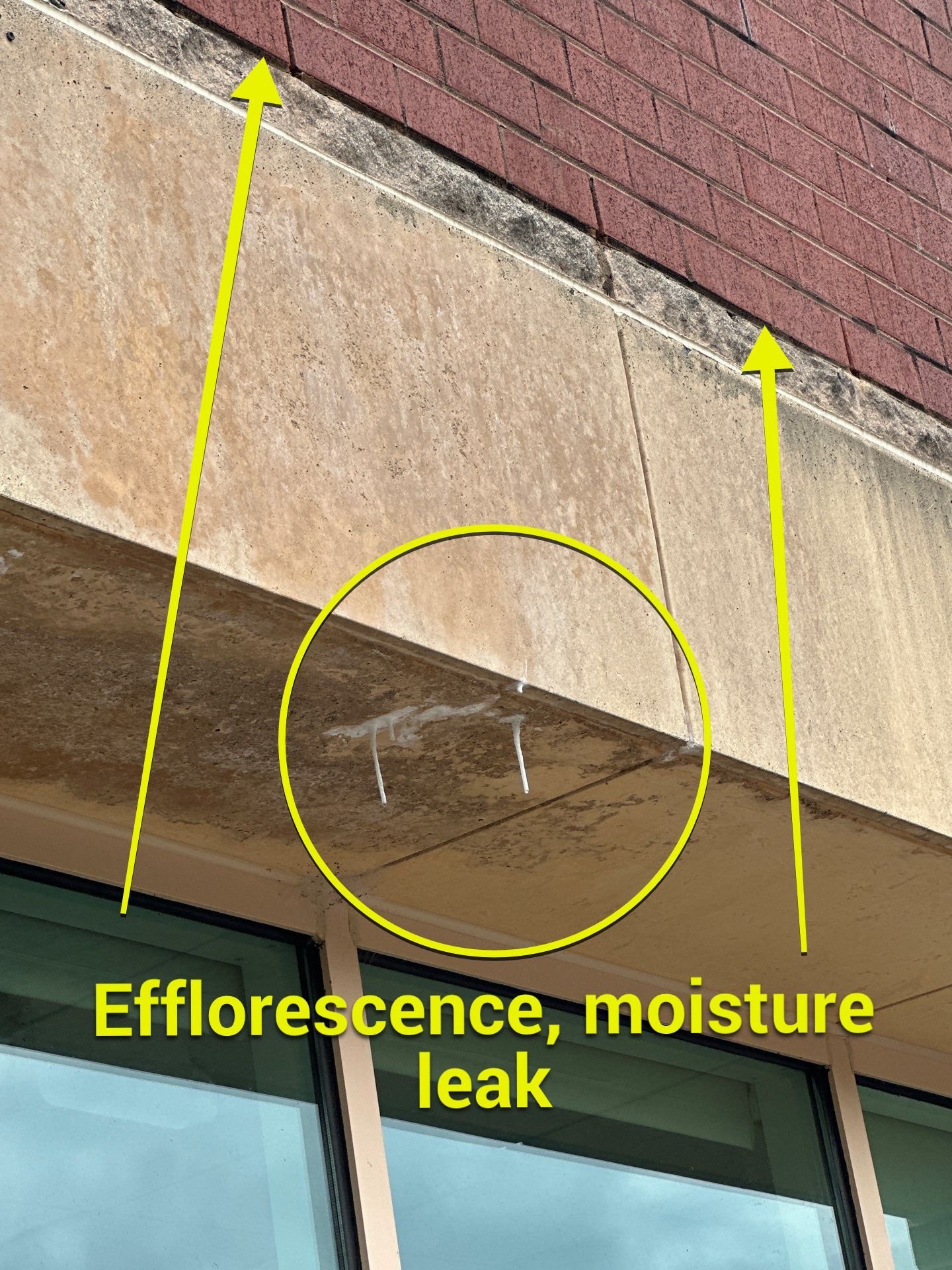
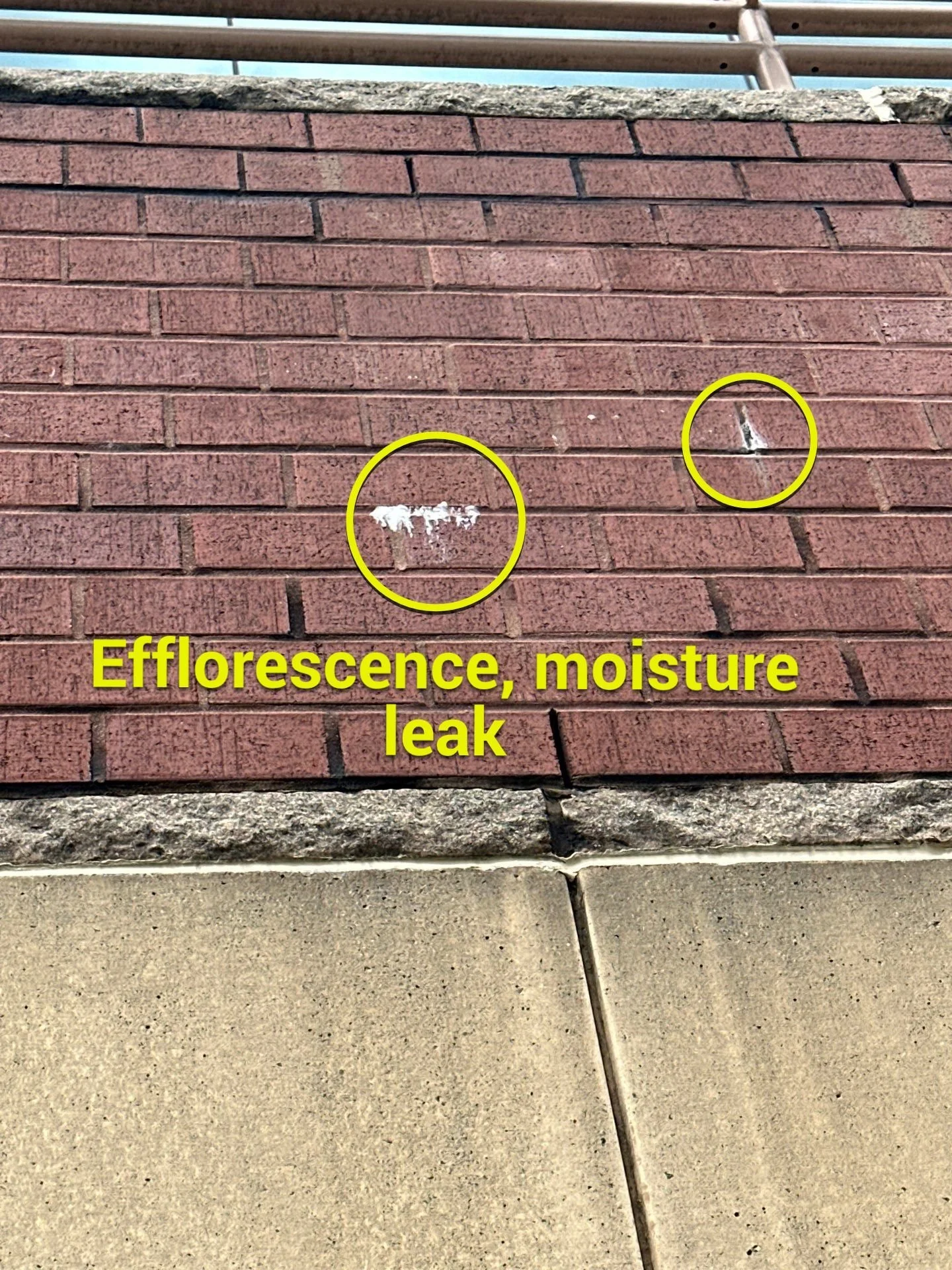
Efflorescence (white mineral bloom) on exterior masonry
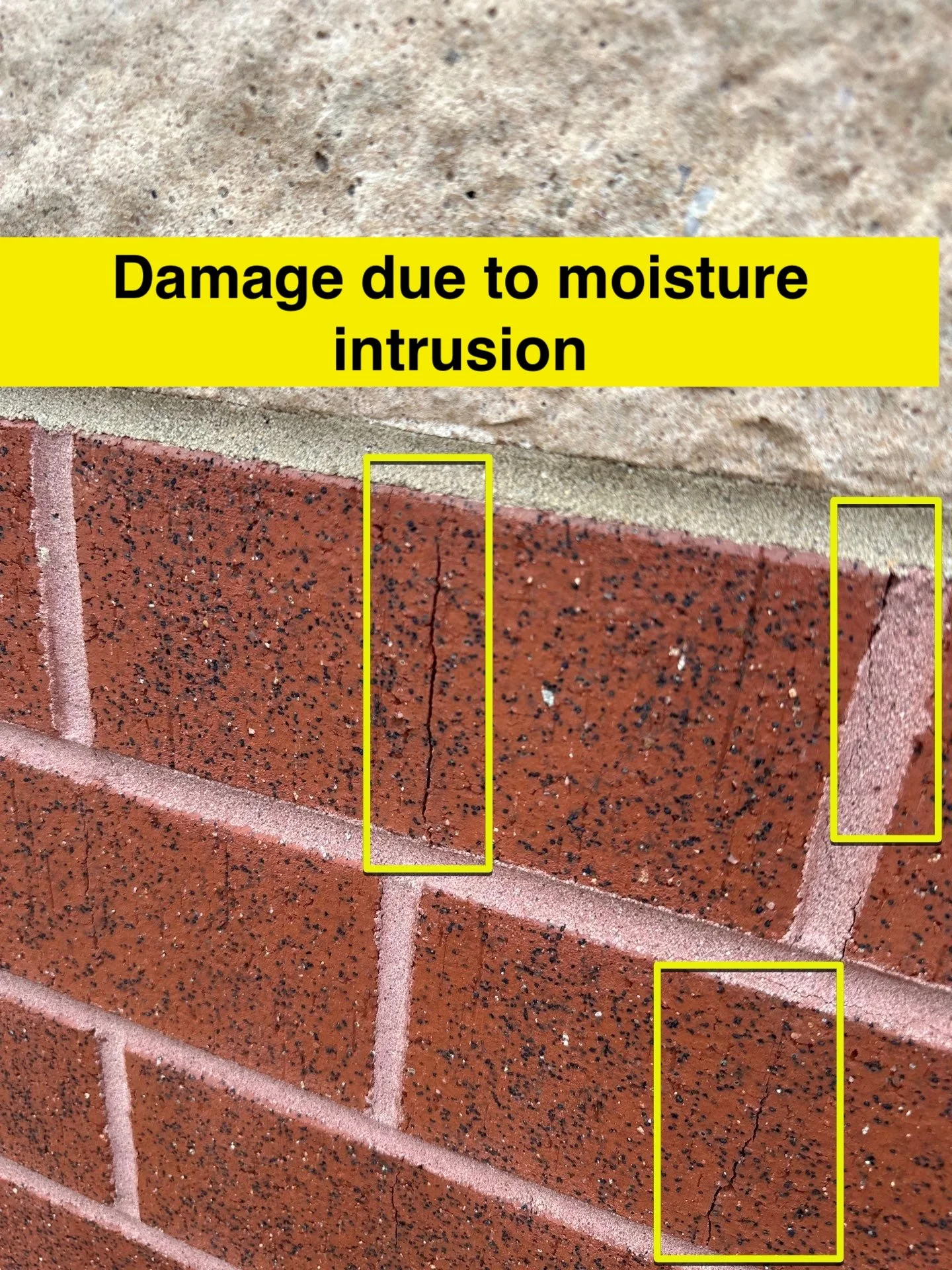
Surface spalling, scaling, or micro-cracking on concrete
Interior moisture or staining showing up on shared masonry walls
Previous sealer has worn off (water is soaking in rather than beading)
A simple field test — spraying water on the wall and watching how it behaves — tells you almost everything you need to know. If water absorbs and darkens the surface, the building is unprotected.
Frequently Asked Questions:
-
High-quality commercial-grade silane water repellents typically last 10 to 20 years depending on exposure, substrate, and product. Premium silanes like Protectosil AQUA-TRETE SG are designed for long-term performance on vertical concrete, precast, and masonry facades.
-
No. Silane water repellents penetrate below the surface rather than forming a film, so there is no sheen, darkening, or color change on properly prepared concrete or brick. The substrate looks natural — only its water-absorption behavior changes.
-
Silane molecules are smaller and penetrate deeper into dense substrates like concrete and precast, making them ideal for vertical masonry. Siloxanes have larger molecules and work better on more porous substrates like soft brick or stucco. Many commercial sealers blend both to perform across mixed substrates.
-
Yes. A silane water repellent dramatically reduces water intrusion, efflorescence, staining, and freeze-thaw spalling. On commercial precast, brick, or concrete facades, the cost of a silane application is a fraction of the repair cost once water damage begins, and it extends the service life of the building envelope by decades.
-
No. Silane sealers need direct access to the pores of the masonry. Any film, coating, paint, or old topical sealer must be removed first. On restoration projects we typically pressure-wash, spot-repair, and allow the substrate to fully dry before application.
Protect Your Building Before the Next Freeze-Thaw Cycle
Performance Waterproofing LLC installs silane water repellents on commercial concrete, precast, and brick buildings across Tennessee, Alabama, Kentucky, and throughout the Southeast. Request a free on-site evaluation and project estimate.